

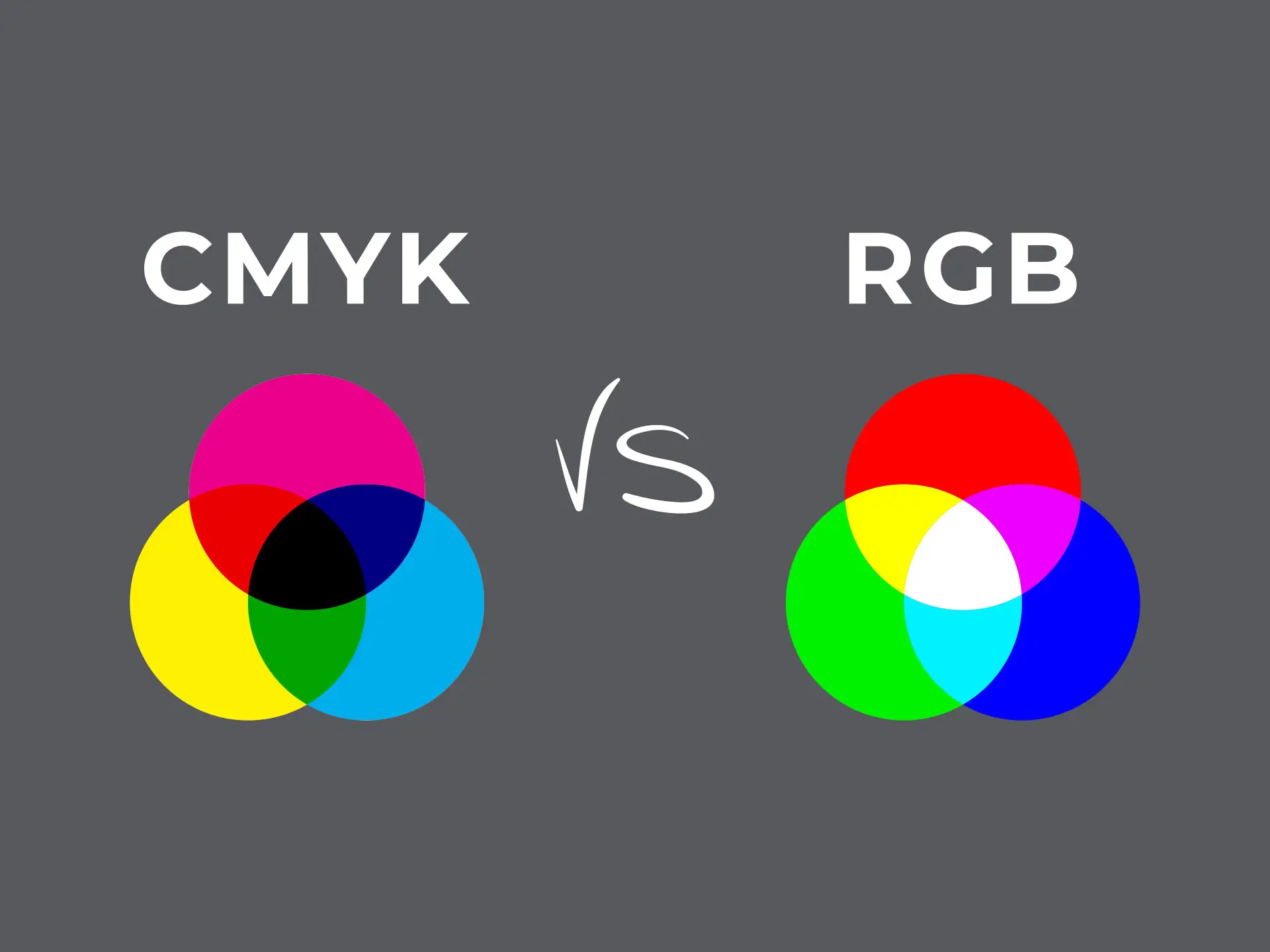
In a world where screens dominate our daily lives, it’s easy to assume digital design has replaced print altogether. But the truth is more nuanced. Print and digital design each serve distinct purposes and the strongest brands know how — and when — to use both.
Understanding the strengths and limitations of each medium allows businesses to make smarter design decisions, stretch their budgets further and create more meaningful connections with their audiences.
Let’s break down when print works best, when digital shines and how they can work together to elevate your brand.
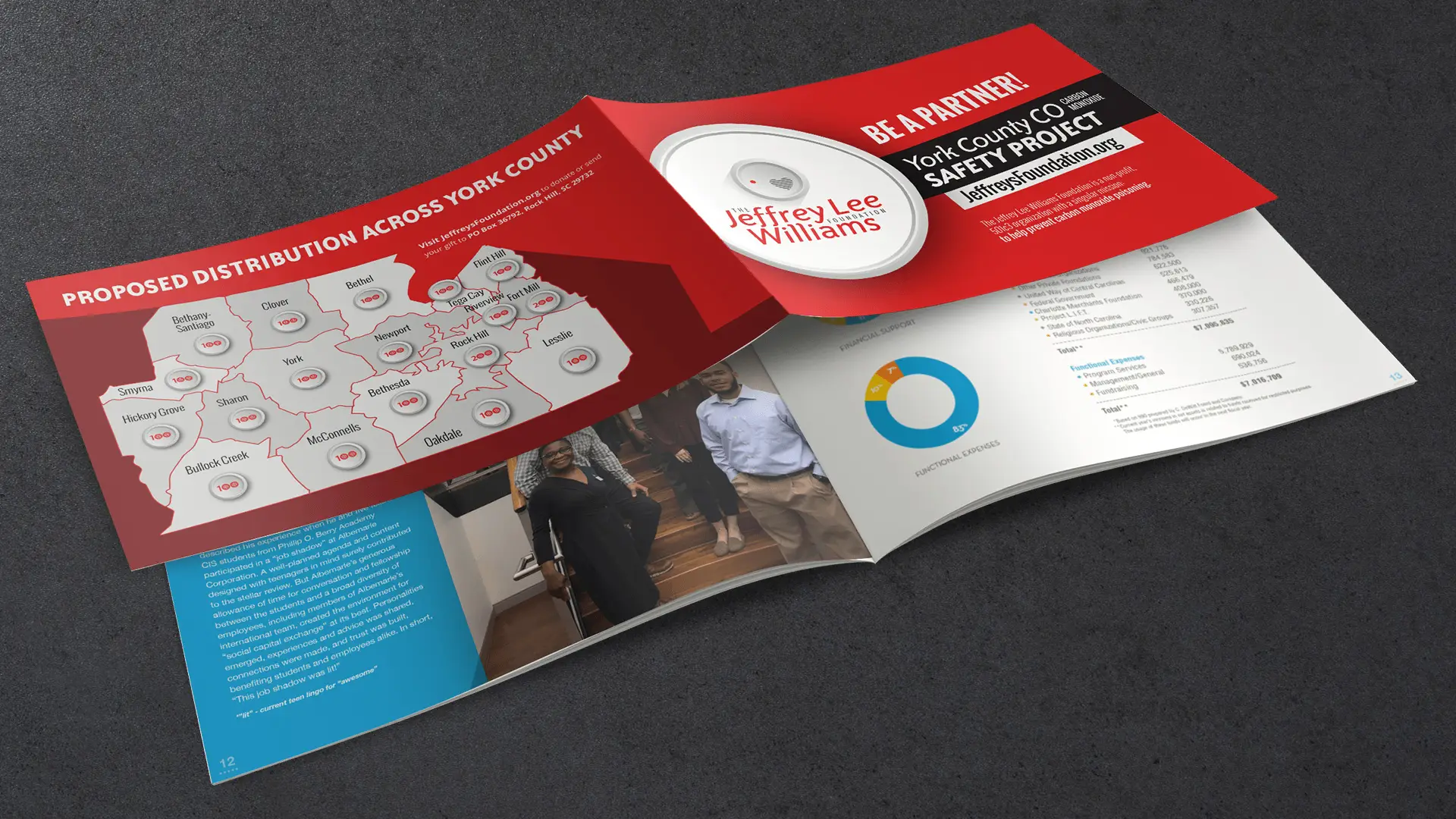
The Power of Print Design
Print design offers something digital can’t always replicate: tangibility. Holding a well-designed piece in your hands creates a physical connection that can feel more personal, credible, and lasting.
When Print Design Works Best
Brand Credibility & Trust
High-quality print materials — such as brochures, packaging, business cards, or annual reports — often feel more permanent and established. For industries like healthcare, real estate, finance, and luxury brands, print can reinforce professionalism and trust.
High-Impact Moments
Print excels in moments that matter:
- Trade shows and events
- Direct mail campaigns
- Product launches
- In-store experiences
A thoughtfully designed print piece can stand out in a sea of digital noise.
Long Shelf Life
Unlike digital ads that disappear with a scroll, print materials tend to stick around. A brochure on a desk or a postcard on a fridge continues to deliver brand impressions long after it’s received.
Sensory Experience
Paper weight, texture, finishes, and ink choices all contribute to how your brand feels. These tactile details can subtly communicate quality, craftsmanship, and attention to detail.
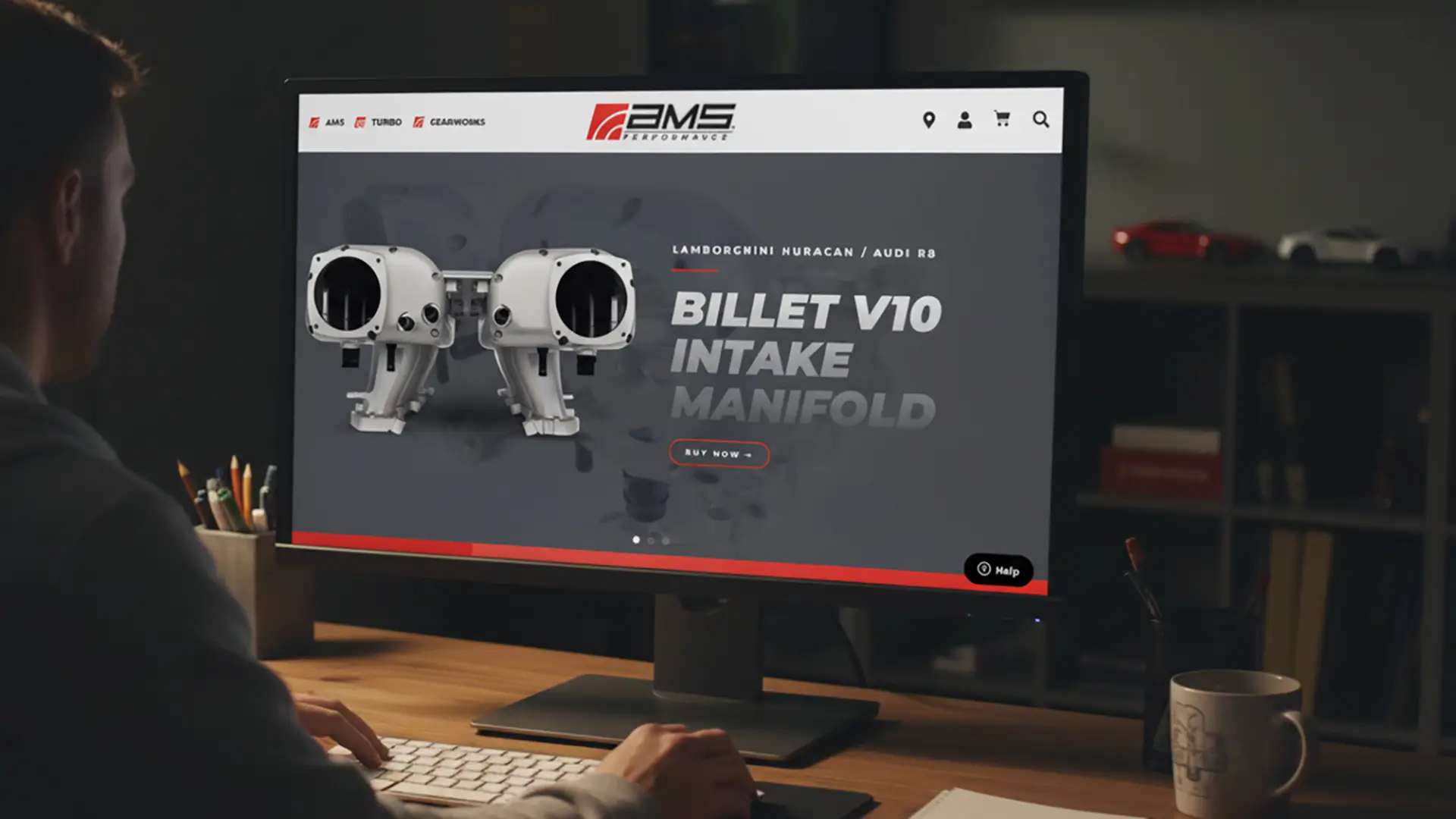
The Strength of Digital Design
Digital design is fast, flexible, and interactive. It allows brands to meet audiences where they already spend much of their time — online.
When Digital Design Works Best
Real-Time Communication
Websites, social media, email campaigns and digital ads allow for instant updates, quick pivots, and timely messaging. If your content needs to change frequently, digital is the clear winner.
Broader Reach & Scalability
Digital design can reach thousands — or millions — without the production and distribution costs associated with print. It’s ideal for:
- Brand awareness campaigns
- Social media content
- Online promotions
- Educational content
Measurable Results
One of digital’s biggest advantages is data. Engagement, clicks, conversions and user behavior can all be tracked and analyzed, helping brands refine strategies and improve performance over time.
Interactivity & User Experience
Digital allows for motion, video, animation, and user interaction. A well-designed website or landing page doesn’t just look good — it guides users, tells a story, and drives action.
Print vs. Digital: It’s Not Either/Or
The most effective brands don’t choose between print or digital — they use both strategically.
How Print and Digital Work Better Together
- Print drives users to digital (QR codes, URLs, promo codes)
- Digital reinforces print campaigns (email follow-ups, social posts, retargeting ads)
- Consistent branding across both builds recognition and trust
For example, a direct mail piece can introduce a campaign, while a landing page continues the story and captures leads. A product package can spark interest, while digital content deepens engagement.
Choosing the Right Medium for Your Brand
When deciding between print and digital design, ask these questions:
- Who is my audience, and where do they engage most?
- What action do I want them to take?
- How long does this message need to last?
- Does this need to be measurable or tactile — or both?
- What role does this piece play in the larger brand strategy?
The answers often point to a blended approach rather than a single solution.
Final Thoughts
Print and digital design each bring unique strengths to the table. Print offers presence, permanence and sensory impact. Digital provides speed, reach and adaptability. When used intentionally — and cohesively — they reinforce each other and create a more powerful brand experience.
Contact us today to discuss your needs and decide what is right for your brand.